Discover Cakwe Lie Tjay Tat
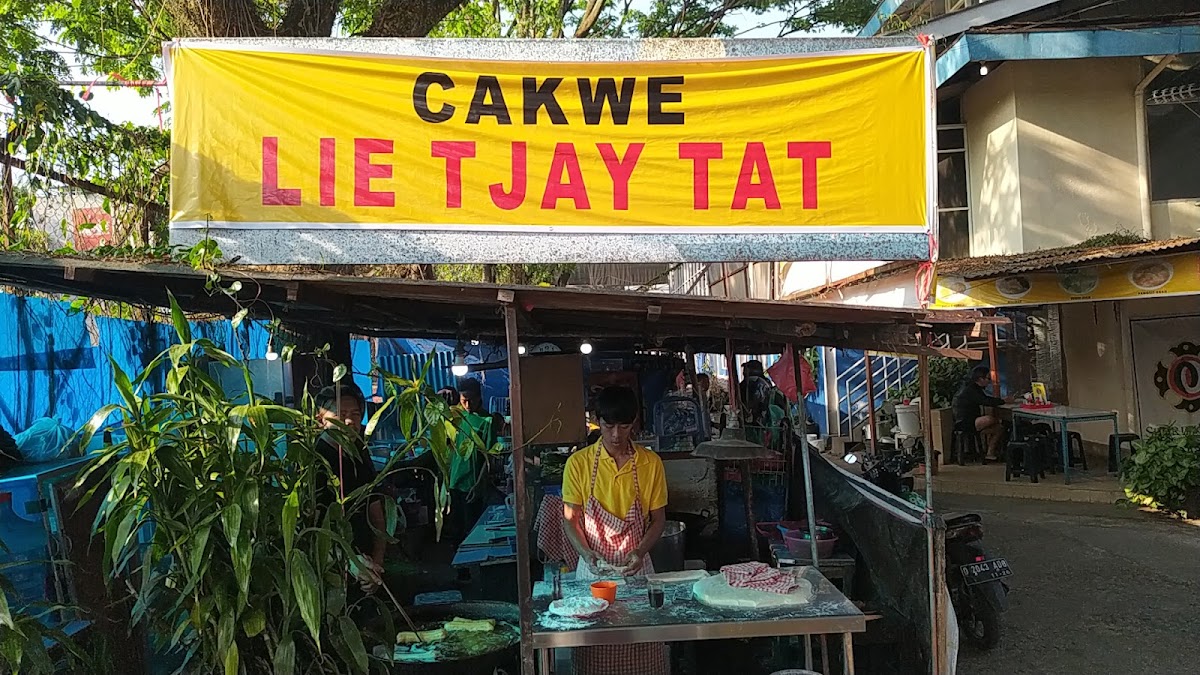
If you ever find yourself near Gor Pajajaran, just a short stroll from Jl. Pajajaran No.37, Pasir Kaliki, Kec. Cicendo, Kota Bandung, Jawa Barat 40173, Indonesia, there’s a humble eatery that locals quietly swear by: Cakwe Lie Tjay Tat. I’ve stopped by more than a few times after early morning activities around the sports complex, and every visit feels like stepping into a small piece of Bandung’s culinary heritage.
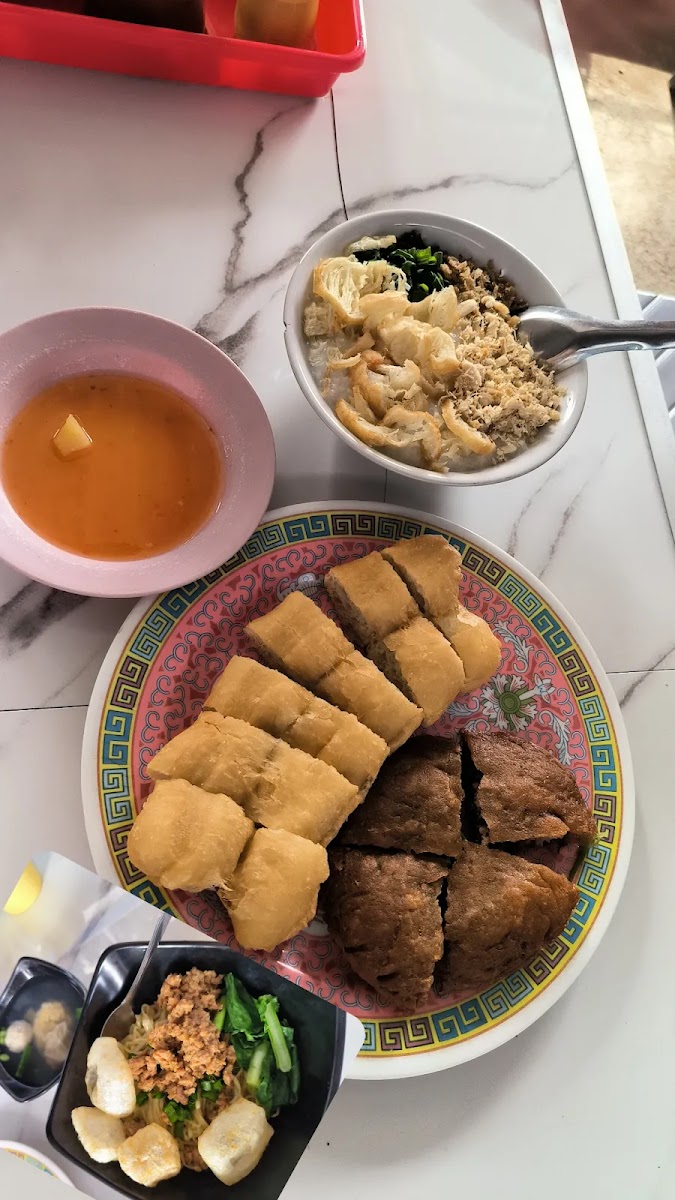
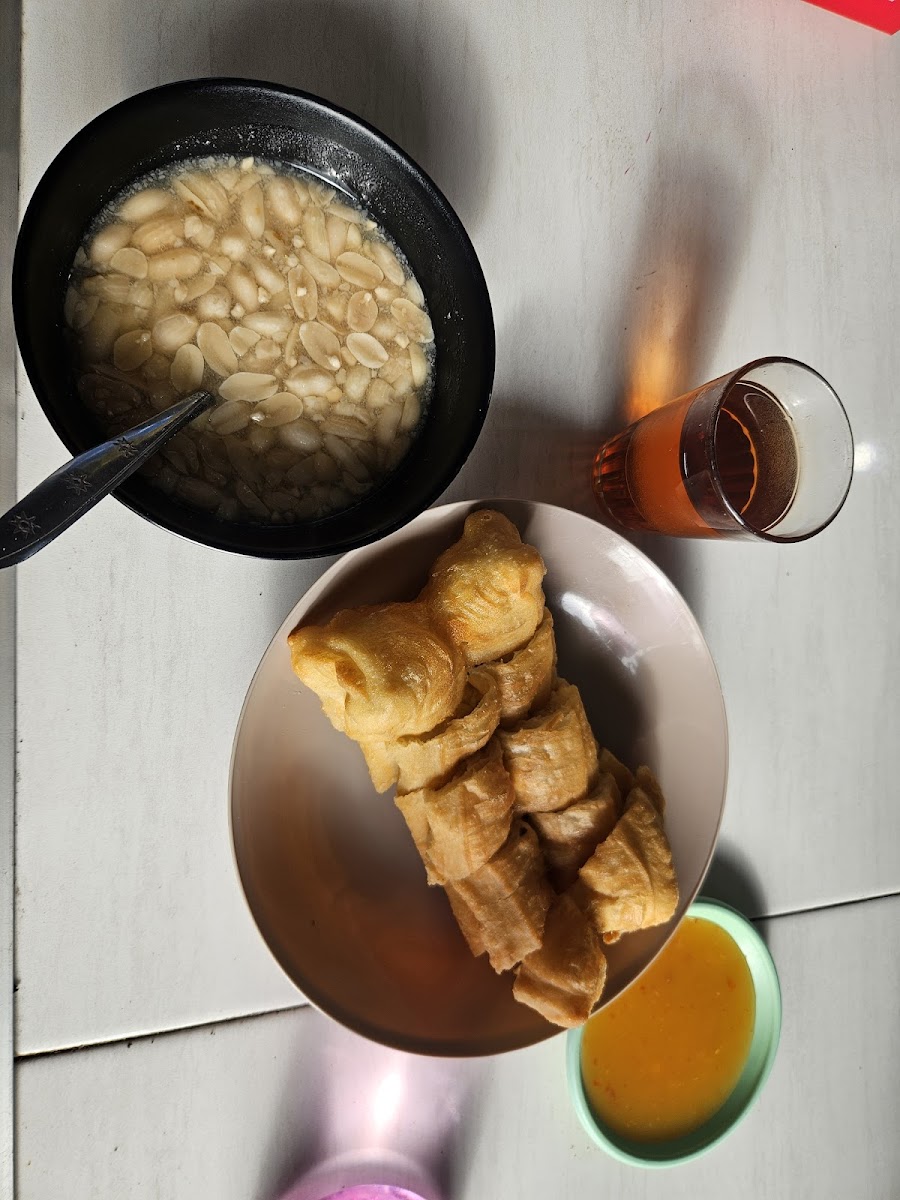
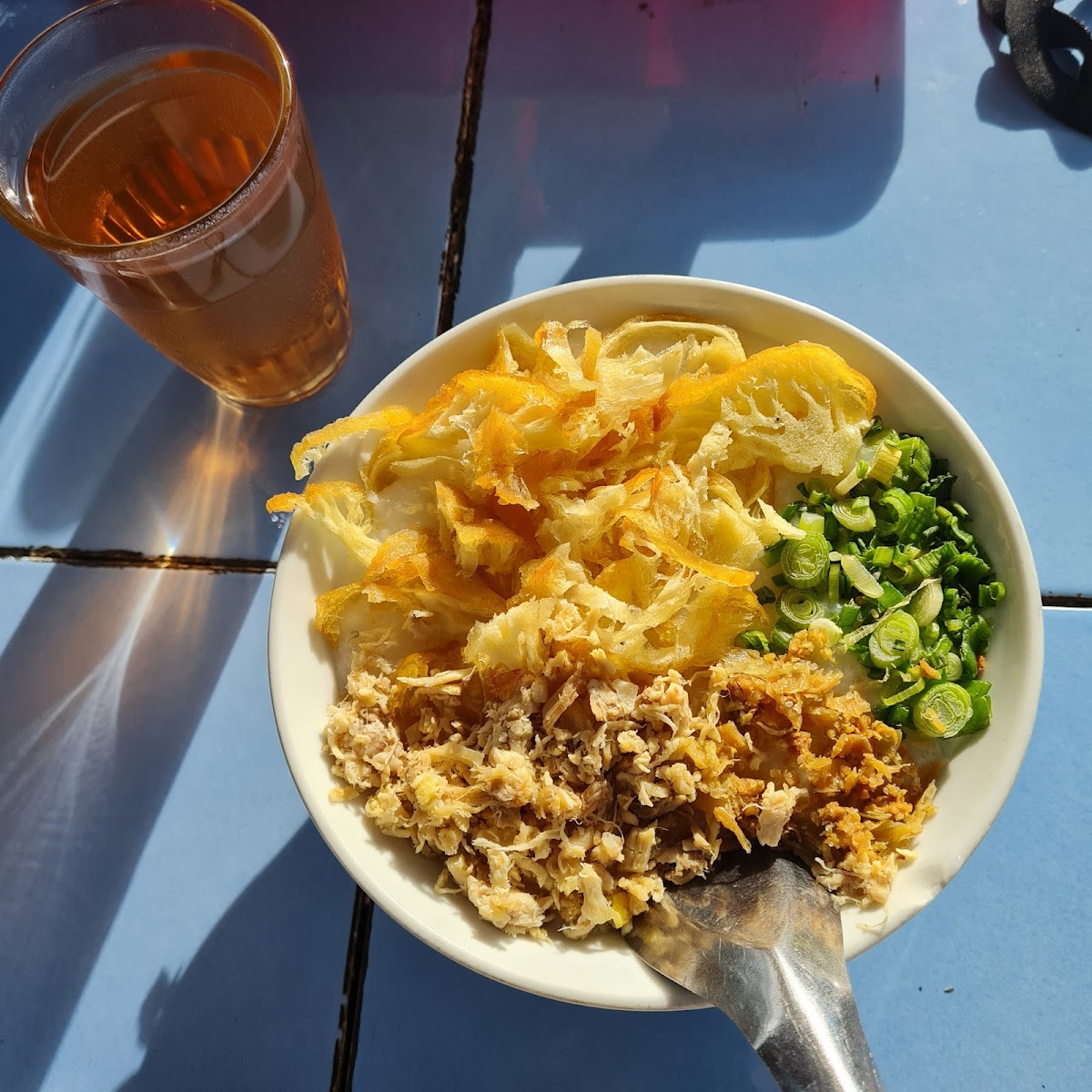
The first thing you notice isn’t flashy décor or a modern menu board. Instead, it’s the aroma of freshly fried cakwe-golden Chinese crullers sizzling in hot oil. The process is fascinating to watch. The dough is stretched by hand, carefully twisted, then slipped into a large wok. Within minutes, it puffs up into airy, crisp sticks with a hollow center. This traditional technique has been used for generations, and seeing it done in real time adds a layer of authenticity you just can’t replicate in a factory setting.
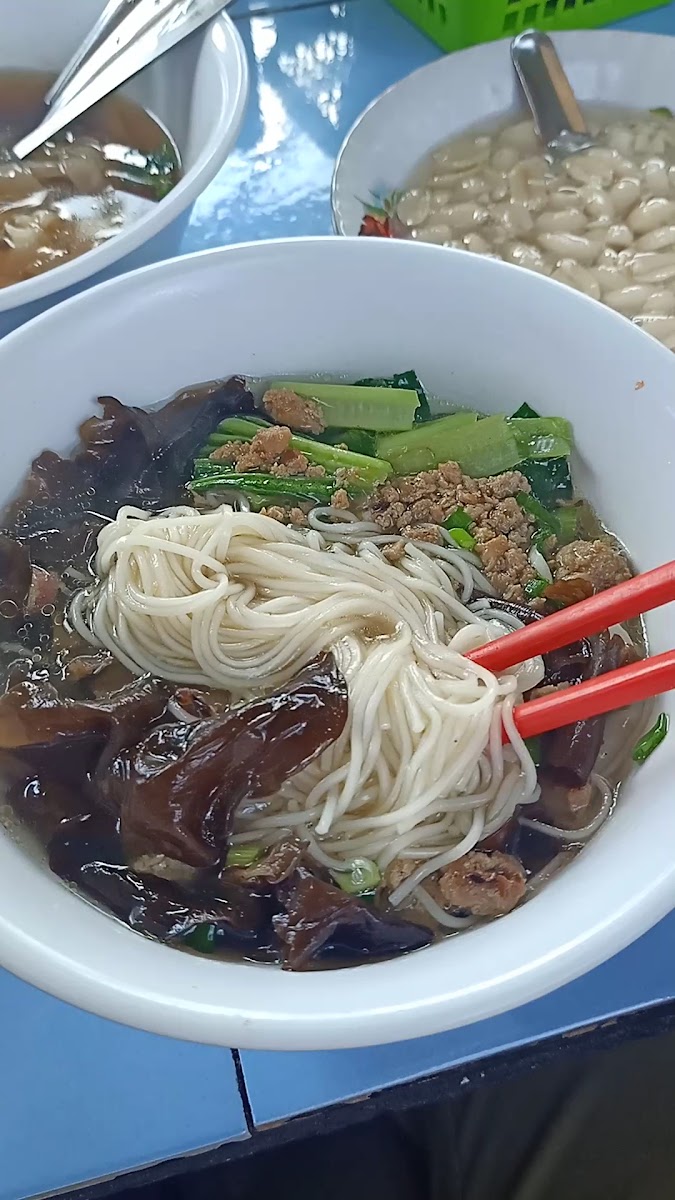
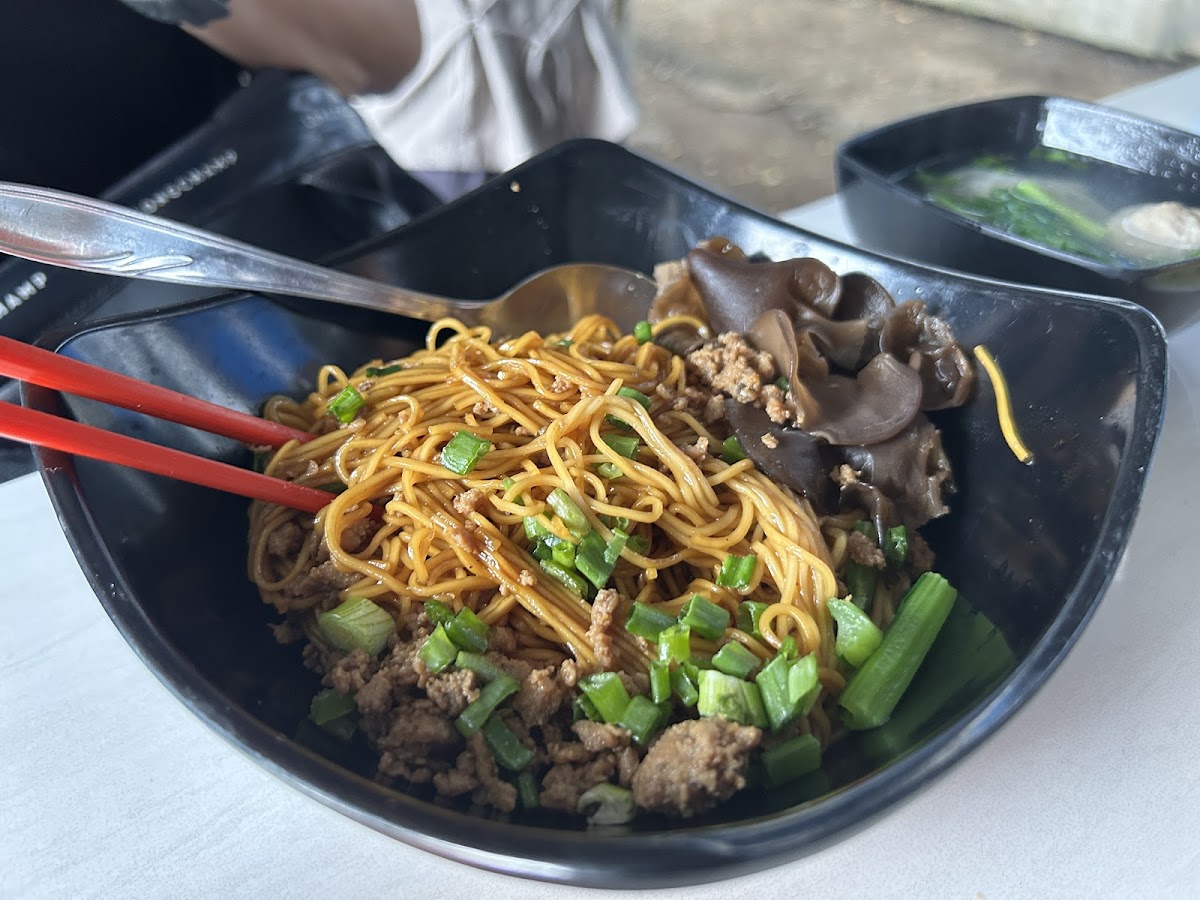
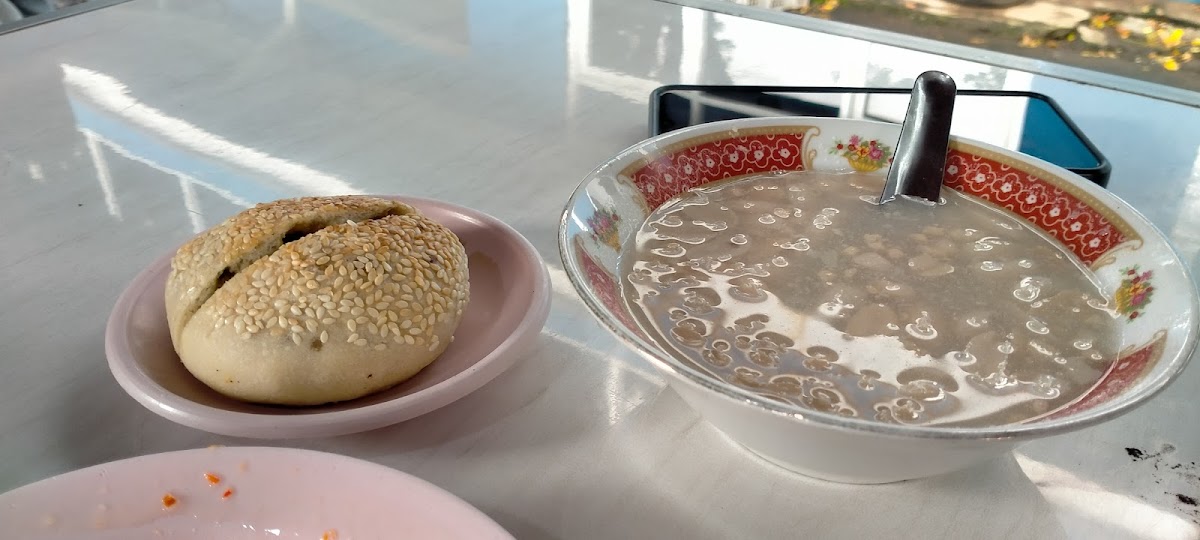
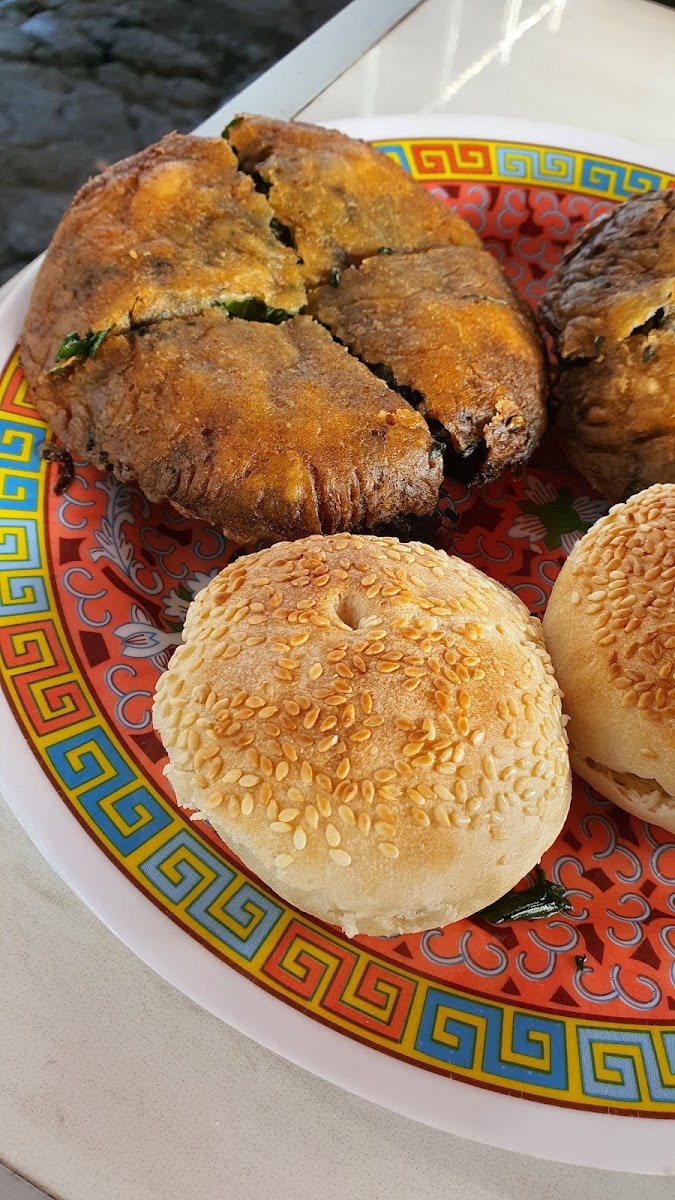
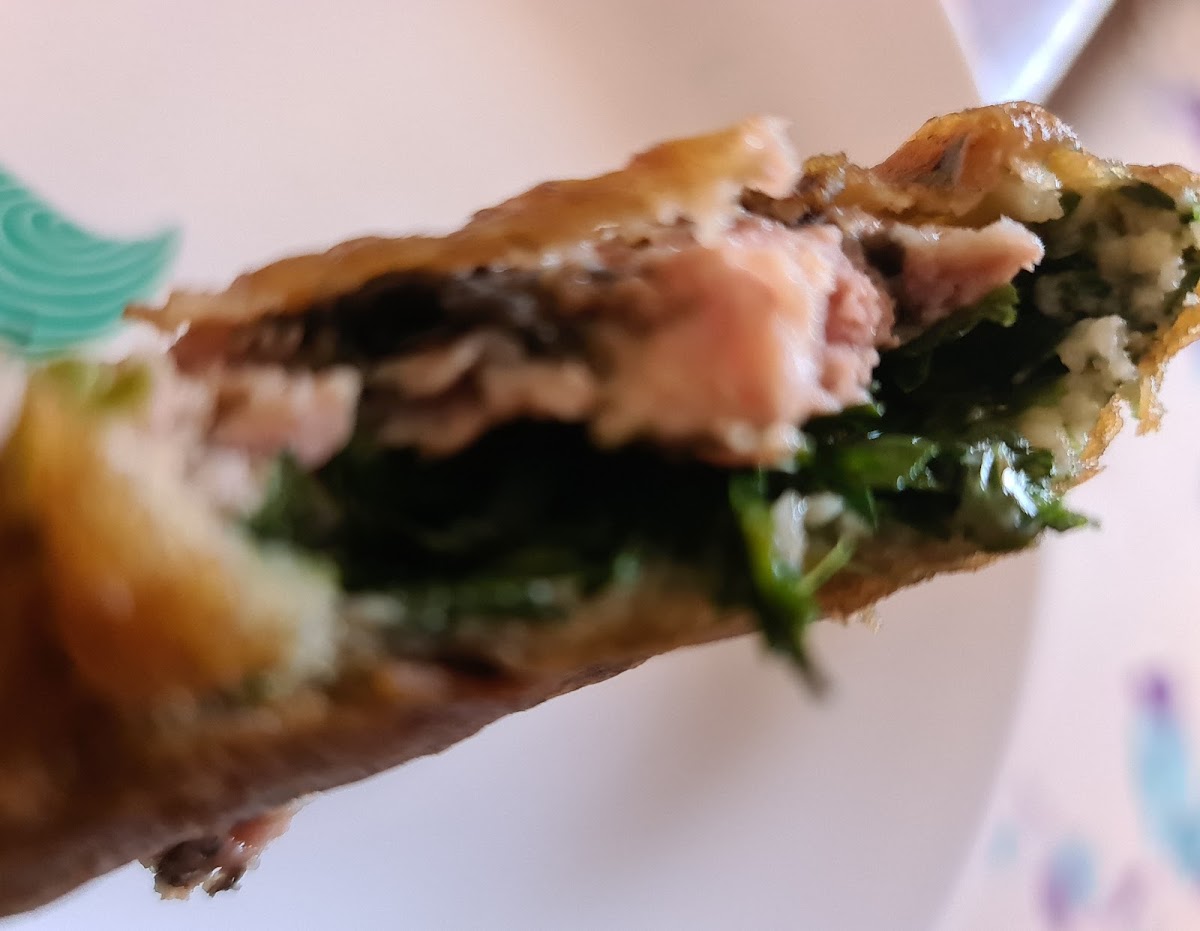
Cakwe itself has roots in Chinese culinary tradition, often enjoyed as breakfast or a savory snack. According to culinary historians and food research published by institutions like the Chinese Culinary Association, deep-fried dough sticks became popular across Southeast Asia through migration and trade. In Indonesia, especially in cities like Bandung, the dish evolved with local flavors. Here, the menu doesn’t stop at plain fried dough. You’ll find stuffed cakwe filled with seasoned minced meat, often paired with a slightly sweet and tangy sauce that balances richness with acidity.
From personal experience, the stuffed version is the star. The filling is juicy, lightly peppered, and subtly garlicky. When dipped into their house-made sauce, it creates a layered flavor profile-savory, umami, slightly sweet, and just a touch spicy. It’s simple food, but done right. And that’s the key. The owner once explained that maintaining consistent oil temperature is crucial. Too hot, and the outside burns before the inside cooks; too cool, and the dough absorbs excess oil. This attention to detail is probably why the texture remains consistently crisp outside and airy inside.
Food safety and quality matter, especially with fried items. The World Health Organization often highlights the importance of proper food handling and oil management to reduce health risks associated with street food. From what I’ve observed, the preparation area here is organized and clean. The oil is changed regularly, and ingredients are stored properly. While it’s still a casual diner setting, there’s clear care behind the scenes.
Location-wise, being near Gor Pajajaran gives it a steady flow of customers-morning joggers, families, and even office workers from around Cicendo. Reviews from regular patrons frequently mention how the flavors haven’t changed in years. That kind of consistency builds trust. In a city filled with trendy cafés and fusion spots, this place stands firm with its traditional menu and no-nonsense approach.
Prices are reasonable, which makes it accessible to students and families alike. I once brought a friend visiting from Jakarta who was skeptical at first-Bandung has no shortage of hype-driven food spots. But after one bite, he admitted it was one of the best cakwe experiences he’d had. That’s the thing about traditional eateries: they don’t rely on gimmicks. They rely on technique, heritage, and loyal customers.
Of course, like any small establishment, seating can be limited during peak hours, especially on weekends. You might have to wait a few minutes, but turnover is quick. If you’re particular about ambiance, this isn’t a polished fine-dining restaurant. It’s straightforward and functional. However, if your focus is flavor, craftsmanship, and an authentic local snack experience, it delivers.
In a broader culinary context, places like this play an important role in preserving food culture. Culinary experts from institutions such as Le Cordon Bleu often emphasize that heritage recipes are living archives of history. Watching the dough stretched, fried, and served fresh in Bandung connects you to that lineage in a tangible way.
So whether you’re exploring Pasir Kaliki, heading to a match at the sports complex, or simply hunting for honest street food with strong reviews, this spot deserves a place on your list. It’s not about reinvention here-it’s about doing one thing exceptionally well, again and again, and letting the flavors speak for themselves.